AI Phones: The AI Interaction Revolution and Ecological Power Game
Dec 08, 2025The development direction of AI Agent represented by Doubao Phone has undoubtedly anchored the future evolution path of smart phones. However, the full-industry collective ban it encountered more profoundly reveals the fierce collision between technological change and the existing ecological system, providing an important sample for us to examine the innovation boundary in the AI era.
Innovation Core: Redefining the Value Breakthrough of Human-Computer Interaction
The revolutionary nature of Doubao Phone essentially stems from its subversive reconstruction of the human-computer interaction mode. This breakthrough is not a superposition of a single function, but a reconstruction of the operation logic through system-level permissions: the AI Agent can deeply participate in cross-application scenarios, replace users to complete serial operations, and truly realize the seamless experience of "voice command triggering - full-process automatic execution", completely freeing users from the tedious chain of operations.
As an industry comment puts it: "This is not just a functional upgrade of smart phones, but a redefinition of the essence of human-computer interaction - from 'humans adapting to machines' to 'machines adapting to humans'." As relevant research points out, this exploration of "letting AI take over core device operations", even though it is still in its early stage, already has "historical value in promoting the iteration of the mobile ecosystem" and clearly points out the next-generation evolution direction of smart phones. Many senior industry analysts further predict that compared with Musk's "six-year revolution theory", this interaction revolution may become a "mainstream form within three years at most".
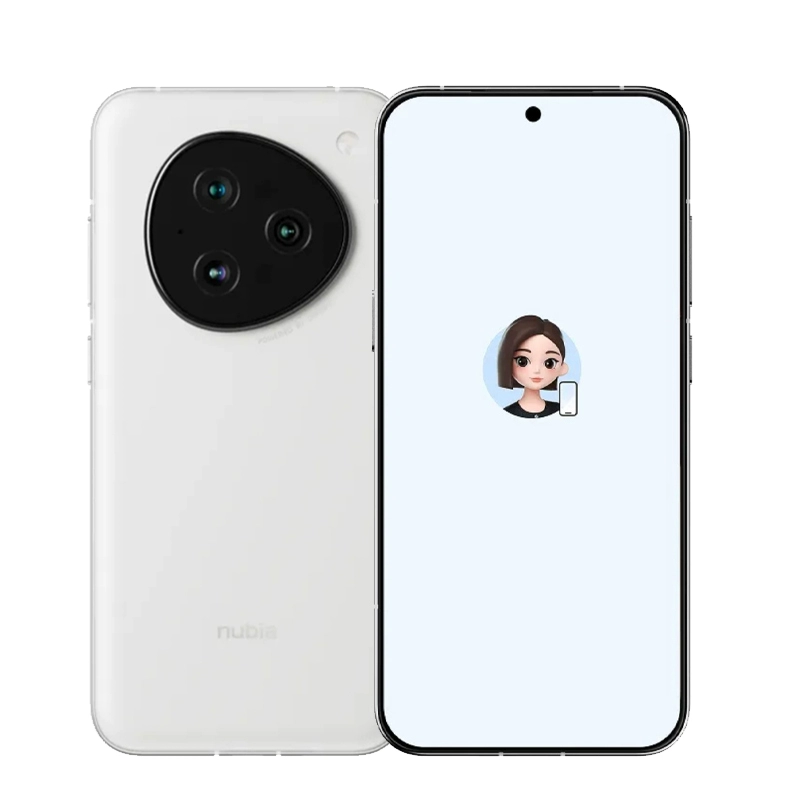
Behind the Ban: An Ecological Game Intertwined with Multiple Contradictions
The collective resistance from WeChat, mainstream financial apps and other platforms seems to be a prudent consideration of safety and compliance on the surface, but in fact, it is a concentrated outbreak of three contradictions: safety boundaries, ecological sovereignty and ethical responsibilities, and is by no means a one-dimensional risk avoidance.
Boundary Conflict Between Security and Permissions
Financial institutions have the firmest attitude towards the ban. The core crux lies in the impact of GUI Agent technology on the existing security system: this technology can bypass traditional security verification links such as verification codes and facial recognition, and directly trigger transaction processes; while the traditional financial risk control system cannot accurately identify "AI Agent operations" and "malicious robot attacks", which is likely to trigger risks such as fund theft. What is more noteworthy is that the accessible service permissions it relies on have been transformed into general operation tools, which not only violates the original intention of permission design, but also touches the compliance red line of "generalization of special permissions".
The Hidden Battle for Ecological Dominance
The deeper game lies in the redistribution of ecological control. The core logic of Doubao Phone is not "empowering apps", but reconstructing the app permission boundary through AI Agent - the super apps that originally held the right to traffic distribution and scenario definition may be reduced to "pure service interface providers" and lose their dominance over user behaviors and data control rights. This impact on the existing ecological pattern will inevitably trigger a "self-defense counterattack" from leading platforms, which is essentially a reshuffle of ecological dominance in the digital age.
Dilemma in Defining Ethics and Responsibility
When AI Agent grasps device control rights equal to or even exceeding those of users, a series of ethical and responsibility issues emerge: How to ensure that the operations performed by AI fully match the user's true intentions? Who should bear the security responsibility for safety accidents caused by AI inputting payment passwords on behalf of users? How to define the privacy boundary when user data flows across applications through AI Agent? These issues have not yet formed industry consensus and have become key obstacles to technology implementation.
The Way to Break the Deadlock: Building a Symbiotic Ecosystem in Balance
There is no absolute winner in this game. The sustainable development of AI phones will inevitably rely on the collaborative governance of manufacturers, platforms and regulators to find a balance between innovation and regulation.
For AI phone manufacturers, they need to abandon the "technological hegemony" mindset and shift from "one-way breakthrough" to "value sharing" - proactively co-building adaptation standards with app developers, realizing win-win benefits through technological openness, rather than unilaterally demanding permissions. For platform parties, they should avoid "closed-door defense" and moderately open standardized interfaces on the basis of strengthening safety barriers to provide a trial-and-error space for technological innovation. For regulatory authorities, the core task is to establish a clear rule framework, clarify the permission boundaries, data usage specifications and responsibility division standards of AI Agent, and set a "safety red line" for industry development.
As an industry observer said: "Technological innovation can be radical, but interest distribution must be balanced, and the safety bottom line must not be compromised." The controversy caused by Doubao Phone reminds us that true breakthrough innovation is never just a single-point breakthrough at the technical level, but more about building a new ecological contract that can balance convenient experience, safety risks and commercial sustainability.
The future of AI phones is by no means at the cost of subverting the existing ecosystem, but finding a way to coexist in the game. Although this fierce "ecological immune response" has temporarily hindered the pace of technology implementation, it has also forced the entire industry to re-examine the ethical boundaries and value distribution logic of human-computer interaction - and this is the only way to nurture a healthier and more resilient digital ecosystem.
Similar Insights
- Mobile Phone Price Differences Between Chinese and Global Markets
- Android Linux: A New Professional Development Option
- vivo S50 Series Officially Launched: Fully Upgraded as the "Telephoto Live Essential"
- AI Phones: The AI Interaction Revolution and Ecological Power Game
- The Honor WIN series will be released on December 26th, and it is claimed to be the "annual esports flagship"